



What is the difference between kW and kWh?
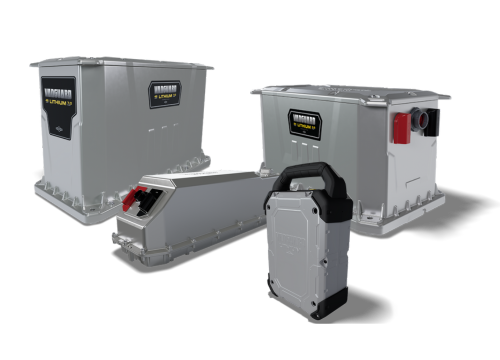
Distinguish kW (power) from kWh (energy) in batteries. Understand their impact on Vanguard lithium-ion battery performance.
1 min read
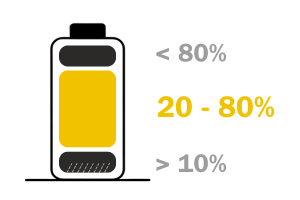
Batteries tend to have a longer lifespan and optimal performance when operated within a certain state of charge range. We recommend using Li-Ion batteries with a state of charge (SOC) of 20-80% of their capacity. Avoid discharging the battery below 10% and overcharging.
The "20-80 charging rule" for lithium-ion batteries suggests keeping the charge level between 20% and 80% of full capacity to maximize battery lifespan and efficiency. This means avoiding prolonged periods at 100% or near 0% charge.
Li-ion batteries experience more stress when fully charged or when completely discharged. Keeping the charge level in the middle range minimizes this stress, leading to less degradation and a longer lifespan.
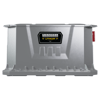
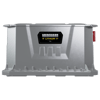
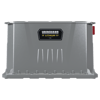
Vanguard battery chargers, from 1050W to 3000W, are designed for Vanguard Battery Packs. They plug into standard outlets, can be combined for faster charging, and offer Bluetooth connectivity for app-based monitoring. Refer to the table below to determine the appropriate charger and the respective charging times.
|
Vanguard 1425W Portable charger
|
|
|
|
|
|
1,25 hours |
N/A |
N/A |
|
|
1,25 hours |
N/A |
N/A |
|
|
N/A |
6 hours |
4 hours |
|
|
N/A |
4 hours |
2 hours |
|
|
N/A |
5,5 hours |
2,5 hours |
|
|
N/A |
8 hours |
3 hours |
|
|
N/A |
8 hours |
3 hours |
For optimal safety, performance, and longevity, lithium-ion batteries require charging within a specific temperature range: 0°C to 45°C.
Risks of charging outside this range:
Low temperatures: Charging below 0°C can lead to lithium plating, which reduces battery capacity and poses safety risks like dendrite formation, potentially causing short circuits.
High temperatures: Charging above 45°C accelerates internal chemical degradation, shortening the battery's lifespan and increasing the risk of thermal runaway, fire, or explosion.
Distinguish kW (power) from kWh (energy) in batteries. Understand their impact on Vanguard lithium-ion battery performance.
Discover how a Battery Management System (BMS) boosts safety, protection, extends lifespan, and optimizes performance in every Vanguard Li-Ion battery
Learn essential Li-Ion battery maintenance tips: proper charging, storage, and inspection to extend lifespan and ensure optimal performance.